FTA announces Corporate Tax Registration Deadline – 90 days from Date of Incorporation/MOA. AED 10k penalty for late registration.
FTA announces Corporate Tax Registration Deadline – 90 days from Date of Incorporation/MOA. AED 10k penalty for late registration.
FTA announces Corporate Tax Registration Deadline – 90 days from Date of Incorporation/MOA. AED 10k penalty for late registration.
Commencing an import-export business in Dubai demands selecting between the mainland and free zone jurisdictions, obtaining a commercial trading license, and registering with Dubai customs. Total formation costs range from approx. AED 15,000 to AED 50,000, based on your selected location, physical office, or warehouse needs, and visa requirements.
Dubai has always been a historic trading port, linking the East and the West. Today, it stands as an international powerhouse for global trade, logistics, and supply chain management. With its top-class ports, tax benefits, and business-friendly rules, there is no good place to set up a trading company. If you are thinking about how to start an import and export business in Dubai in 2026, you have come to the precise, appropriate location.
Whether you like to trade electronics, food products, fashion, or heavy machinery, commencing an import-export business can be extremely profitable if completed appropriately. At Arabian Wingz, we are here to assist you during your entire procedure.
Initiating a trading company demands a robust logistics network, and Dubai delivers the best in the world. But why is 2026 a specifically amazing time to jump into the market?
1. Unbeatable Location – Dubai sits at the crossroads of Asia, Africa, and Europe. This means you can effortlessly import goods from manufacturing hubs like China or India and re-export them to huge consumer markets in Europe or Africa.
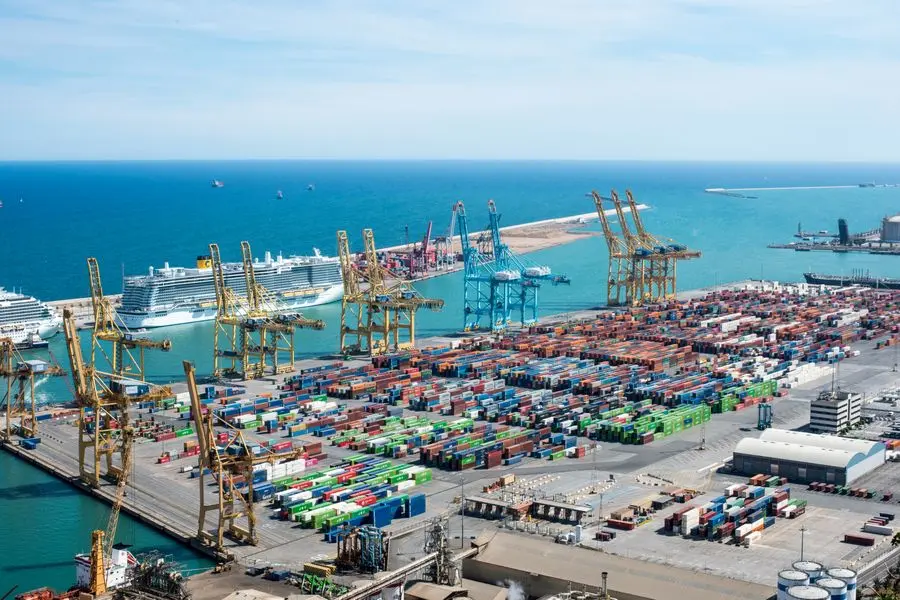
2. World-Class Infrastructure – With Jebel Ali Port and Al Maktoum International Airport, moving huge cargo by sea or air is highly quick and effective.
3. Zero Percent Tax Incentives – While the UAE currently presents corporate tax, trading corporations running within Free Zones that deal in qualifying activities can still benefit from a 0% corporate tax rate. Plus, Free Zones deliver 100% foreign ownership and complete repatriation of your benefits.
4. Digital Customs – In 2026, Dubai Customs runs thoroughly online through platforms like Mirsal 2. This means less documentation, quicker clearances, and fewer delays for your shipments.
Before you make an application for a business license, you have to understand precisely what you are going to sell. Dubai’s market is big, and some industries are more beneficial than others. Here are some of the most famous products traded in Dubai in 2026 –
1. Electronics and Technology – Mobile phones, computers, home appliances, and microchips are always in high demand.
2. Automotive Parts – Dubai is a big hub for exporting spare car components and vehicles throughout the Middle East and Africa.
3. Food and Beverages – Because the UAE is a desert nation, it imports a huge majority of its food. Trading fresh produce, packaged foods, and spices is an extremely protected business.
4. Precious Metals and Stones – Gold, diamonds, and silver are big in Dubai. The city is popular for its jewelry market, making it an attractive trading niche.
5. Textiles and Fashion – Importing raw fabrics or finished fashion goods to sell to retail stores or re-export to other nations.
If you plan to trade in several distinct classes, you will have to make an application for a general trading license instead of a particular product license.
One of the most crucial decisions you will make when initiating an import and export business in Dubai is selecting where to lawfully register your corporation. You have two primary options – Mainland or Free Zone.
1. Dubai Mainland – A mainland corporation is authorized by the Department of Economy and Tourism of Dubai.
2. Dubai Free Zone – A Free Zone business is registered within particular geographic locations, such as Jebel Ali Free Zone or Meydan Free Zone.
Also Read: How UAE Businesses Can Save Corporate Tax in 2026: Complete Guide
Initiating an import export business includes some rigorous legal moves. The government has to understand precisely who you are, what you are trading, and where your goods are shipping.
1. Decide on Your Business Activities – You have to clearly list precisely what you are planning to trade. The government utilizes a categorization system for all business activities. If you wish to trade mobile phones, you have to choose that particular activity. If you wish to trade everything, select a general trading activity.
2. Choose Your Company Name – Your company name should follow UAE naming rules. It can’t contain objective language, it can’t insult religion, and if you utilize a person’s name, it should be the complete name of the owner.
3. Apply for Your Trade License – Present your passport copy, visa copy, and business plan to the Department of Economy and Tourism or your selected Free Zone authority. Once sanctioned, you will have to pay the government costs and get your official trade license. This license is the legal base of your business.
4. Secure an Office or Warehouse – To obtain your final license, you have to get a physical address. In a Free Zone, you can rent a flexi-desk if you don’t require storage, or you can rent a big warehouse if you are bringing in huge containers of goods. You will sign a tenancy agreement, which is needed for the next actions.
5. Register with Dubai Customs – Having a business License isn’t enough to move goods. You should register your corporation with Dubai Customs to obtain a Customs Client Code. You will do this online through the Dubai Trade Portal. Without this particular code, your goods will be blocked at the port.
6. Open a Corporate Bank Account – Finally, you will require a UAE business bank account to pay your global supplier, get money from buyers, and manage different currencies. You will take your new business license and customs documents to a bank to establish this.
Once your import-export business in UAE is established and you are prepared to make your first shipment, you have to prepare the appropriate documentation. Dubai Customs is very stringent. If a single document is missing, your cargo will be delayed, which costs you heavily.
For each shipment, you have to provide –
1. Commercial Invoice – This is a bill from the seller to the purchaser. It presents the description of the goods, the overall quantity, and the precise value. Customs utilizes this to calculate any duties owed.
2. Certificate of Origin – This document proves precisely which nation the goods were produced in. It is very crucial for trade contracts and sidestepping banned goods.
3. Packaging List – A thorough list presenting actually what is inside every single box, including weight, dimensions, and packaging kind.
4. Bill of Lading or Airway Bill – This is the ticket for your cargo. It is given by the shipping company and proves that the goods have been loaded onto the ship or airplane.
5. Customs Declaration – A form presented online through the Mirsal 2 system listing the precise Harmonized System codes of your items.
The expense of initiating an Import and export business in Dubai heavily depends on whether you select a mainland or Free Zone, and whether you require a huge warehouse or only a small office.
In 2026, here is a typical breakdown of what you can expect –
1. Trade License Fee – Ranging from AED 12,000 to AED 25,000.
2. Customs Registration – It is approx. AED 100 to AED 300 for the initial code formation.
3. Office/Warehouse Lease – Can range from AED 5,000 for an easy virtual desk to more than AED 100,000 for a big warehouse facility.
4. Visa Costs – Around AED 3,000 to AED 5,000 per employee or investor.
Overall, a common formation in a Free Zone can begin around AED 15,000 to AED 20,000, making it a very accessible investment for international entrepreneurs.



Establishing an import-export business looks easy on paper, but dealing with government approvals, selecting the appropriate Free Zone, and making sure your customs documentation is smooth can be very daunting for a beginner. Making an error in your license activity can freeze your goods at the port, costing you highly in regular storage costs.
Arabian Wingz LLC is a reputable business formation advisory in Dubai. We have expertise in assisting investors and entrepreneurs in starting their trading companies without any stress. Here is how Arabian Wingz makes your journey smooth –
1. Expert Consultation – We listen to your business schemes and advise you on the precise license you require. We will let you know whether the Mainland or particular Free Zone is best for your particular products.
2. A-To-Z Documentation – We manage all document typing, name permissions, and submissions to the government. You don’t have to wait in line or navigate complicated government portals.
3. Customs Registration – Arabian Wingz will confirm your business is completely registered with Dubai Customs and that you need your active Importer/Exporter code.
4. Book Account Assistance – Obtaining a company bank account for a trading company can be tough because of global adherence rules. We have robust banking connections to assist in fast-tracking your account opening.
By collaborating with Arabian Wingz, you save time, sidestep expensive mistakes, and can pay attention completely to finding buyers and suppliers while we manage the legal base.
Beginning an import and export business in Dubai in 2026 is one of the smartest investments a businessman can make. The city’s unparalleled logistics infrastructure, tax advantages, and strategic location make it the eventual gateway for international trade. Whether you wish to bring global brands into the UAE or utilize Dubai as a foundation to ship goods globally, the import-export business delivers countless expansion potential.
Take the first move today. Comprehend your market, prepare your papers, and connect with the formation professionals at Arabian Wingz to transform your international trading dream into an extremely successful reality.
Also Read: Step-by-Step Process for Dubai Customs Customer Code Registration
1. How much does it cost to start an import-export business in Dubai?
The cost to start an import and export business in Dubai usually ranges from AED 15,000 to AED 50,000. This depends on your business location, license type, office space, and visa requirements.
2. What is the difference between a Mainland and Free Zone trading company?
When you start a mainland import-export business in the UAE, you can trade freely within the country. However, when you start a free zone company, you require a local distributor to sell directly inside the UAE.
3. Is Dubai a good place to start an import export business?
Starting an import export business in Dubai is a smart choice due to its favorable location, world-class ports, unmatched tax benefits, business-friendly regulations, and modern logistics.
4. Do I need to register with Dubai Customs?
Once you secure your trade license, you can register with Dubai Customs to receive a Customs Client Code for importing and exporting goods.
5. Why should I use a business setup consultant for an import export business?
It is always advised to work with a trusted business setup consultant, like Arabian Wingz, for starting your import and export business in Dubai. Experts help you with licensing, paperwork, customs registration, and bank account opening, so you don’t have to worry about delays and costly mistakes.